 SAVE FROM 20 to 35%

FREE DELIVERY
for orders over 35 eur
 MONEY BACK GUARANTEE
Currency:








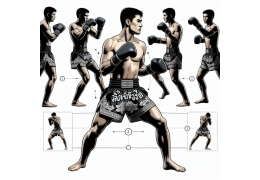


Respect, Humility, and the Social Code of Fighters
Respect, Humility, and the Social Code of Fighters
Everything you've learned so far, discipline, resilience, mindfulness, all connects to one central principle: respect.
This isn't just politeness. It's a way of being. It shapes how you act in the gym, the ring, and daily life.
Respect is why Muay Thai endures. It builds character just as much as it builds strength.
The Ritual of Respect: Wai Kru Ram Muay
The Wai Kru Ram Muay is a pre-fight ritual performed by all practitioners. At its heart lies humility.
This isn't just a warm-up. It's a ceremonial act of gratitude. You honor your mentors. You honor the lineage. You honor the opponent who will test you.
The Movements:
Step 1: Bow respectfully.
Step 2: Bend low. Press your palms flat against the mat before your knees.
Step 3: Lift both hands, palms facing down, in the "sang" gesture. This signifies reverence.
Step 4: Tap your chest, your temple, then place a small palm before your forehead. These echo ancestral postures.
Step 5: Whisper Thai phrases praising the lineage. Match your breathing to the rhythm of village drums.
Elders and trainers teach these gestures carefully. Every fighter sees themselves as part of something larger. A lineage that spans generations.
When you perform the Wai Kru, you animate a chain of history. Newcomers learn to show proper respect. They recognize their place within the broader community.
Humility as Practice
Humility shapes how fighters respond to wins and losses.
Victories are accepted with quiet gratitude. Losses are examined with honest self-reflection.
Example After a Loss:
A fighter might:
-
Replay the fight footage
-
Pinpoint where the guard slipped
-
Note the timing of the counter
-
Decide to drill that guard next session
In Muay Thai culture, neither triumph nor setback is an occasion for boasting. Both are opportunities to learn.
The Training Benefits:
When ego is set aside, you can:
-
Accept corrections
-
Try new approaches
-
Maintain steady progress
When coaches and senior students show humility, students feel welcome to ask questions.. Improvements are pursued patiently.
The Sustaining Social Code of the Gym
Gyms operate as tight-knit micro-communities. Each one is governed by an unspoken social code.
How Respect Shows Up:
Punctuality: Arrive on time. Show up 5 minutes early if possible.
Care of equipment: Clean mats. Put gear away properly.
Hall etiquette: Follow the gym's rules strictly.
Mentorship: Senior fighters become mentors. They pass on technique, life advice, and cultural context.
Wai Kru practice: Newcomers learn to perform the ritual with proper reverence.
During Sparring:
Fighters demonstrate respect by:
-
Keeping strikes at controlled intensity
-
Maintaining eye contact
-
Pausing immediately if a partner signals discomfort
This shared code creates bonds. It fosters mutual responsibility. Seasoned athletes protect novices. Newcomers inject fresh energy and commitment.
How Respect and Humility Shape Personal Development
Respect isn't just about rituals. It's a catalyst for personal growth.
Examples:
Bowing before training: You acknowledge the instructor's expertise. You humbly invite guidance.
Listening to a senior's advice: This reinforces focus. It shows respect for experience. It sharpens your discipline.
Performing the Wai Kru: You demonstrate humility before a higher power. You deepen emotional maturity.
In Thailand:
Reverence intertwines with Buddhist values. It connects to temple etiquette. It's woven into the Wai Kru dance.
In International Gyms:
Local customs blend with Thai traditions. This creates a shared ethic that encourages growth.
Every act of respect strengthens self-discipline:
-
A quiet nod
-
A deliberate posture
-
Cleaning the training area after a session
These actions nurture confidence, empathy, and lifelong learning.
Respect Across Cultures
The core values of respect and humility are rooted in Thailand. But they've been adopted worldwide.
In Thailand, respect intersects with local customs and religious observances. In other countries, practitioners combine Muay Thai etiquette with their own cultural norms.
The result? An enriching cross-pollination.
The key: The core attitudes of gratitude and deference to teachers must be preserved.
When gyms emphasize tradition—not just combat—they offer an ethical framework. It complements physical training beautifully.
The Practical Benefits
Respect and humility cultivate:
-
Active listening
-
Empathy
-
A culture where feedback is valued
This mindset helps you:
-
Adapt strategies
-
Build trustful relationships
-
Continuously refine techniques
By acknowledging others' strengths and staying open to learning, you develop:
-
Patience
-
Emotional balance
-
Genuine growth
This complements the physical discipline of Muay Thai perfectly.
How These Values Strengthen Life Outside the Gym
Muay Thai's moral framework rests on:
-
Respect
-
Humility
-
Active listening
-
Empathy
At Work:
Respectful conduct strengthens relationships. Fighters learn to listen, accept feedback, and show appreciation.
With Family:
These skills translate into better communication. More patience. Deeper understanding.
In Training:
Humility keeps expectations realistic. It reduces burnout. When you view progress as gradual and shared, training becomes sustainable.
Concrete Examples:
During sparring: You feel your teammate hesitate. You adjust your rhythm mid-combo to avoid collision. This shows listening and care.
Before a bout: You ask your coach to clarify a stance adjustment. You immediately incorporate the feedback. This shows how active listening translates into tactical refinement.
After a hard hit: Your opponent notices the injury. He offers water. This reflects empathy. It turns a competitive moment into a shared human experience.
Long-Term Benefits:
Many who train for years report:
-
Improved impulse control
-
Greater patience
-
Better ability to handle stress
-
Enhanced teamwork
-
Steadier leadership
-
Stronger mental resilience
These practical benefits stem directly from embracing core values.
Practical Advice for Applying These Values
1. Observe and Learn Rituals
Take time to understand the meaning behind the Wai Kru Ram Muay and other customs.
Example: Kneeling with your hands folded shows respect and gratitude to your teacher. This specific action conveys humility and reverence.
Participating thoughtfully makes the practice authentic. It strengthens bonds with teachers and peers.
2. Seek Out Mentorship
Look to senior fighters for guidance. Ask respectful questions. They're the fastest route to deeper understanding.
Example question: "How do I know the best distance to jab from for defense and counterattacks"?
3. Keep a Humble Mindset
After both wins and losses, list lessons learned. Don't just catalog outcomes.
This habit turns every session into material for improvement.
After a win: "I should keep my hands up more in the second round. My guard slipped after the first jab."
After a loss: "I failed to adjust to my opponent's inside leg kick. I need to work on peripheral vision and reaction time."
4. Respect the Space
Simple acts demonstrate commitment. They maintain a healthy training environment.
Examples:
-
Clean equipment: Wipe down benches after use. Put weights back in their places.
-
Arrive on time: Show up 5 minutes early to set up.
-
Follow gym rules: No eating on the floor. No hogging machines.
Stories of Exemplary Practitioners
Throughout Muay Thai history, prominent fighters have been admired for their conduct, not just their skill.
Saenchai:
Routinely greets fans and opponents with a respectful bow before each bout.
Anan Bunchu:
Remains courteous in press conferences. Never resorts to harsh words.
Yodwittaya "The King":
Offers a firm handshake to every competitor after the match. Win or lose, it doesn't matter.
Saensak Muangsurin:
Publicly apologizes if he makes a mistake.
These individuals show that respect and humility are tangible virtues. They make Muay Thai appealing to those who seek more than a physical challenge.
Living Force
In sum, respect is a living force within Muay Thai.
It organizes rituals. It informs conduct. It strengthens communities.
When paired with self-care habits, it produces practitioners who are:
-
Fit in body
-
Steady in mind
-
Ethically engaged
This combination gives Muay Thai its enduring value. It shapes life, not just combat.
Key Takeaway: Respect and humility aren't extras. They're the foundation. They guide how you train, compete, and live. Honor the lineage. Show gratitude. Stay humble. These values will carry you far beyond the ring.
Related posts
-
Understanding the Eight Limbs: A Guide to Muay Thai Techniques (part 1)
Imagine transforming your body into a living, breathing weapon, where every limb becomes a potential strike point....Read more
-
Understanding the Eight Limbs: A Guide to Muay Thai Techniques (part 2)
Let's start with something familiar – good old-fashioned punching. But don't be fooled, Muay Thai punches are a whole...Read more
-
Understanding the Eight Limbs: A Guide to Muay Thai Techniques (part 3)
The clinch in Muay Thai is like a chess match played at extremely close quarters, with the added excitement of...Read more
-
Understanding the Eight Limbs: A Guide to Muay Thai Techniques (part 4)
It's time to talk about the not-so-glamorous but absolutely crucial part of the journey – training and conditioning....Read more
-
The Role of Mental Toughness in Muay Thai Training and Competition (part 1)
We've got the million-dollar questions: "Why do some fighters seem unshakeable under pressure?" and "How do certain...Read more
Leave a comment